
A soft touch car wash has become a popular choice for drivers who want a deeper clean without harming their vehicle’s finish. Unlike older wash methods, this system blends gentle contact with modern automation to remove dirt more effectively. Using foam brushes car wash materials and carefully designed car wash equipment, it cleans the vehicle exterior while maintaining strong paint protection. Many U.S. drivers prefer this approach because it balances cleaning power and safety. As part of today’s automatic car wash system evolution, soft touch car wash offer consistent results, faster service, and reliable care. For daily drivers and families, soft touch car wash delivers a clean look without the stress of hand washing.
What Is a Soft-Touch Car Wash?
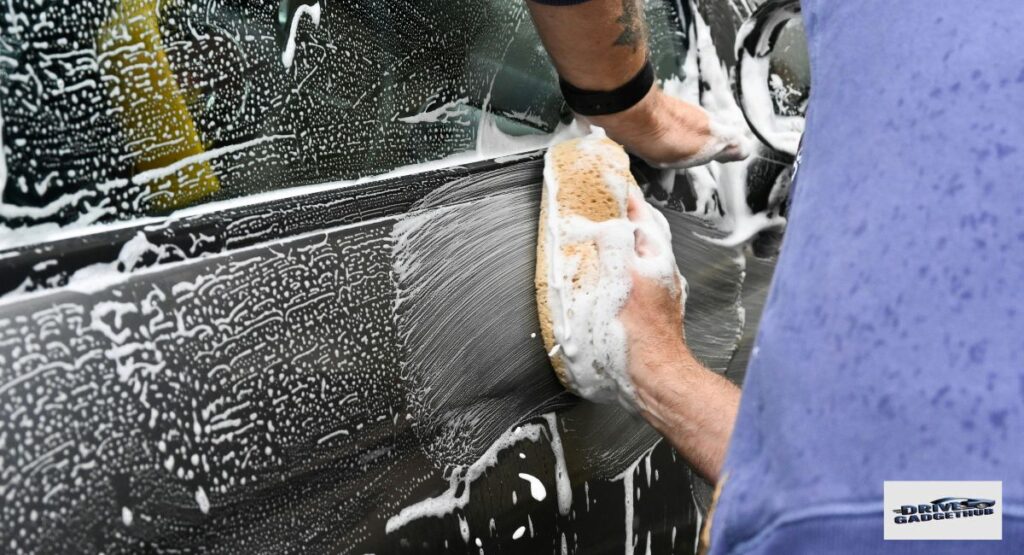
A soft touch car wash is a type of contact car wash that uses physical materials to clean your vehicle. It relies on foam brushes car wash tools and soft cloth strips. These materials move across the surface of the car while soap and water flow. This method is common in a tunnel car wash system found across the U.S.
To understand how soft touch car washes work, think of washing a dish with a sponge. The gentle pressure helps remove stuck dirt. The brushes and cloths cleaning vehicle exterior surfaces allow better grip on grime. This leads to effective dirt and stain removal on doors, roofs, and windows. Many drivers like this method for heavily soiled cars.
How Does a Touch-Free (Touchless) Car Wash Work?
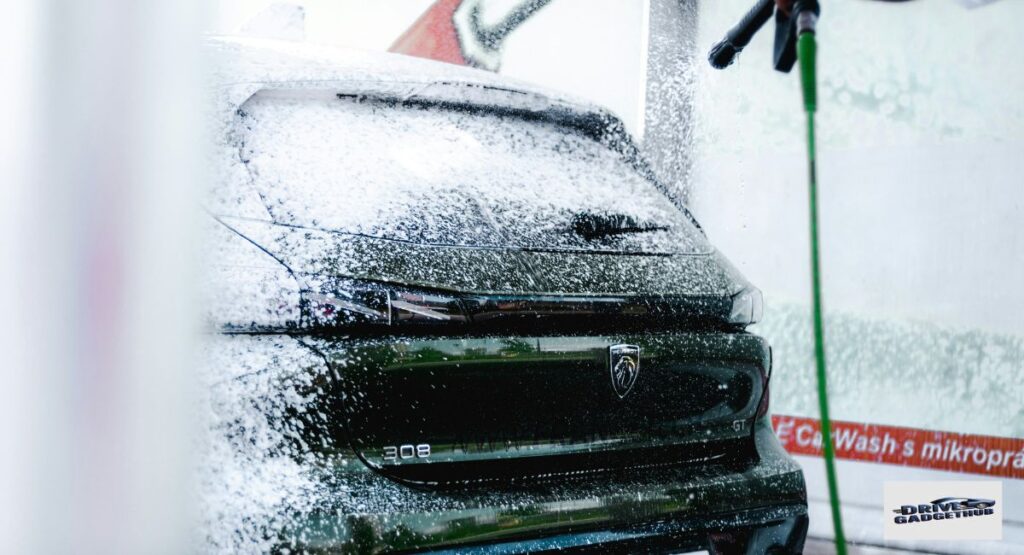
A touchless car wash, also known as a touch free car wash, cleans your car without any physical contact. It uses a high-pressure water car wash system combined with strong detergents. The car stays still while water jets move around it. This is a fully automatic car wash system.
When learning how touchless car washes work, imagine a power washer at home. The system depends on cleaning a car without physical contact. Modern setups use high-tech automatic wash systems with sensors guiding water streams. These sensors adjust to the car’s shape. This approach offers a reduced risk of exterior damage, which many owners of new cars prefer.
Key Differences Between Touch-Free vs Soft Touch Car Wash
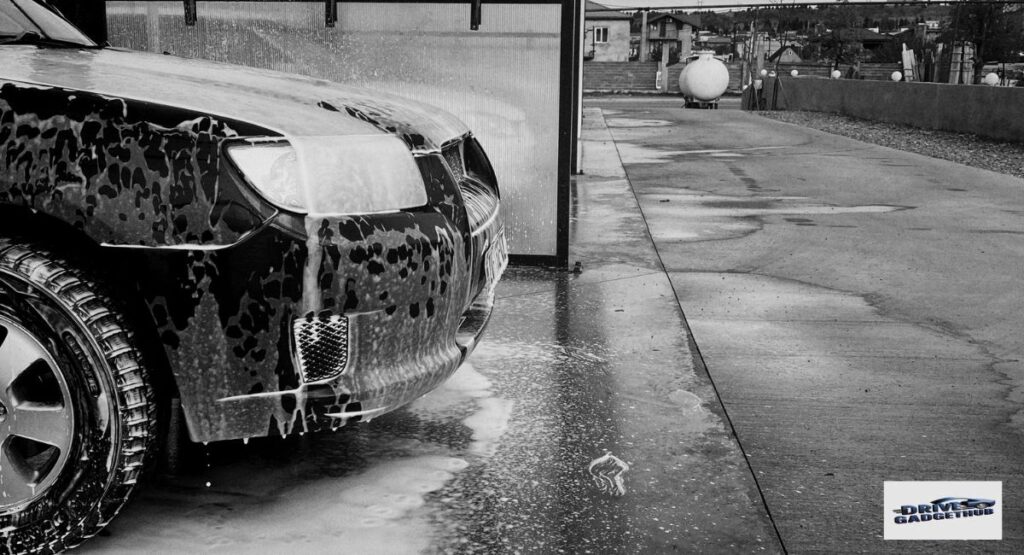
The main difference is contact. A soft touch car wash touches the car. A touch free car wash does not. This single factor affects cleaning results, safety, and cost. These car wash cleaning methods serve different needs and expectations.
Soft-touch systems rely on movement and friction. Touch-free systems rely on force and chemicals. The table below shows a clear comparison for U.S. drivers.
| Feature | Soft-Touch Car Wash | Touch-Free Car Wash |
| Contact with car | Yes | No |
| Cleaning strength | Higher on stuck dirt | Moderate |
| Paint risk | Low but possible | Very low |
| Technology level | Standard | advanced car wash technology |
Cleaning Performance – Which Car Wash Cleans Better?
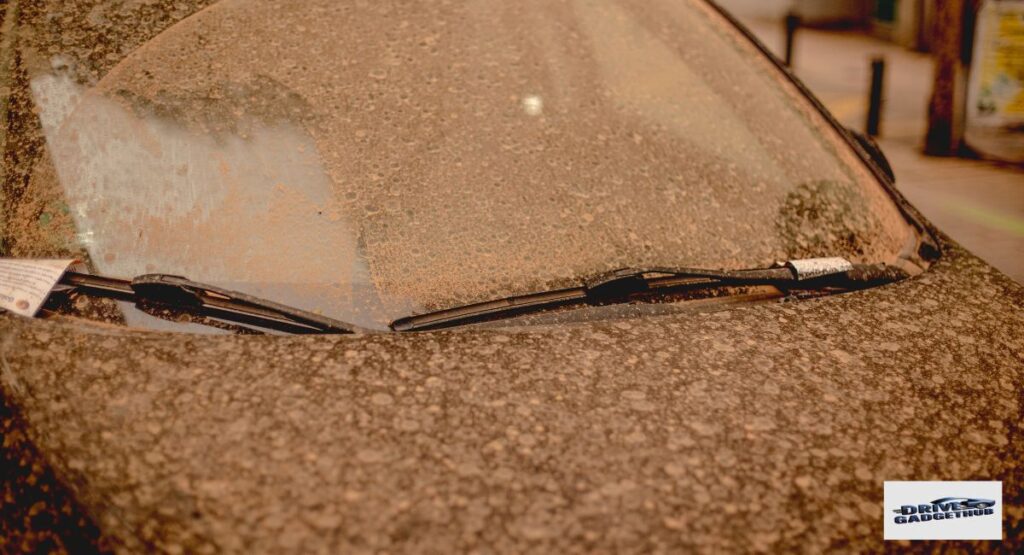
When it comes to pure cleaning power, a soft touch car wash usually performs better. Physical contact helps remove mud, bugs, and road salt. This is especially useful in states with snow and heavy rain. The vehicle exterior cleaning feels more complete after one cycle.
Touch-free systems can struggle with stubborn grime. Without friction, some dirt stays behind. This is why drivers sometimes notice missed spots. While chemicals help, they are not perfect for cleaning hard-to-reach areas. For drivers who value spotless results, soft-touch often wins.
Vehicle Safety & Paint Protection
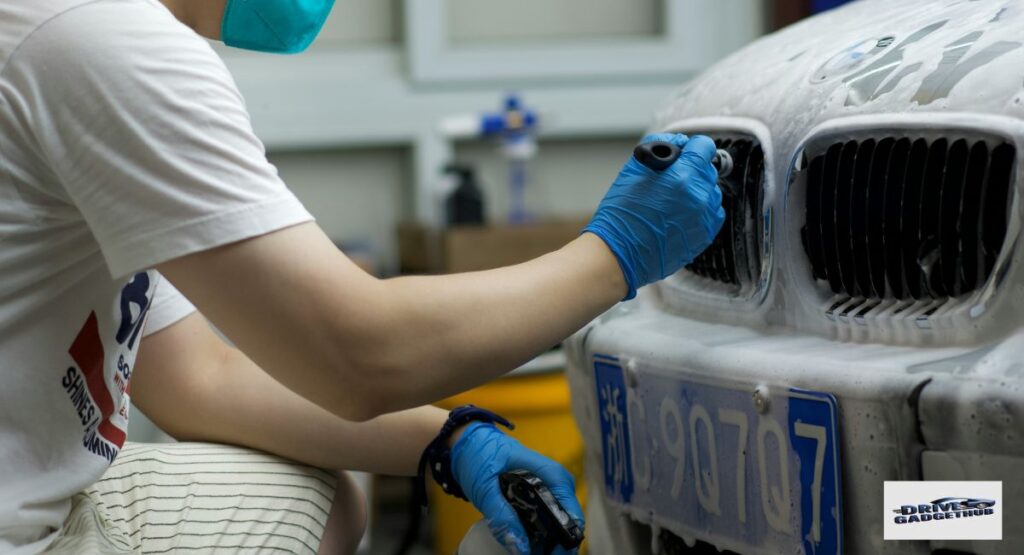
Safety matters to every car owner. Touch-free washes shine here. They lower the chance of potential scratches on car paint because nothing touches the surface. This helps with protecting a car’s finish, especially on new vehicles.
Soft touch car wash are safe when well maintained. Modern car wash materials are designed to be gentle. Still, dirt trapped in brushes can cause issues. This creates a balance between cleaning and paint safety. Choosing a reputable wash location is key.
Pros and Cons of Soft Touch Car Wash
The biggest benefit is deep cleaning. A soft touch car wash removes stuck debris better than most touch-free systems. It also performs a stronger undercarriage wash, which helps prevent rust in colder U.S. regions.
The downside is risk. Even soft materials can cause marks if poorly maintained. Some drivers worry about wear over time. Still, many new car wash recommendations include soft-touch systems for routine cleaning when equipment is clean and modern.
Pros and Cons of Touch-Free Car Wash
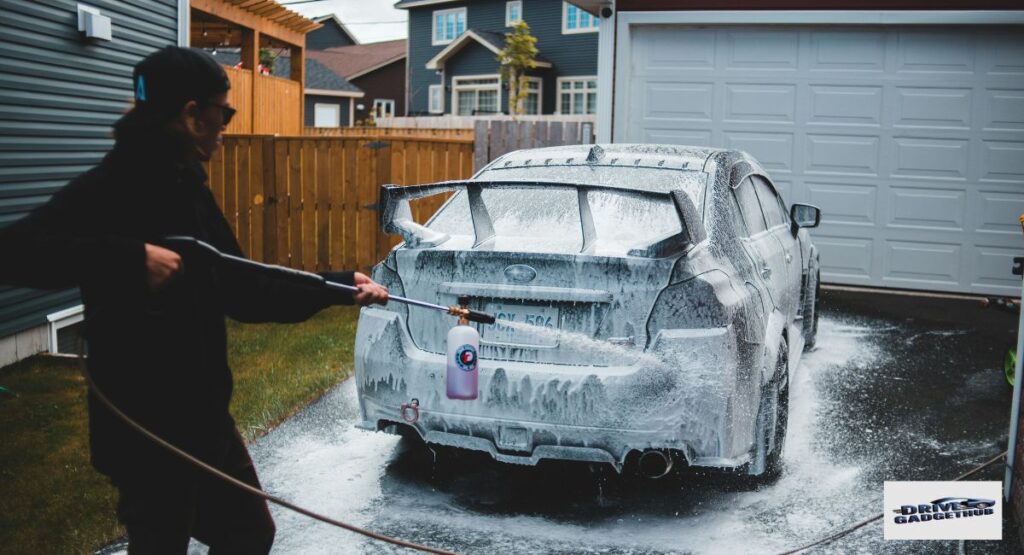
A touch-free car wash offers peace of mind. The lack of contact reduces anxiety about scratches. This is ideal for luxury cars and fresh paint jobs. The reduced risk of exterior damage is the main selling point.
However, touch-free systems often rely on harsh detergents in touchless washes to compensate for no friction. These chemicals may affect wax or coatings. Cleaning results can feel less thorough, especially after long road trips.
Cost, Speed & Maintenance Comparison
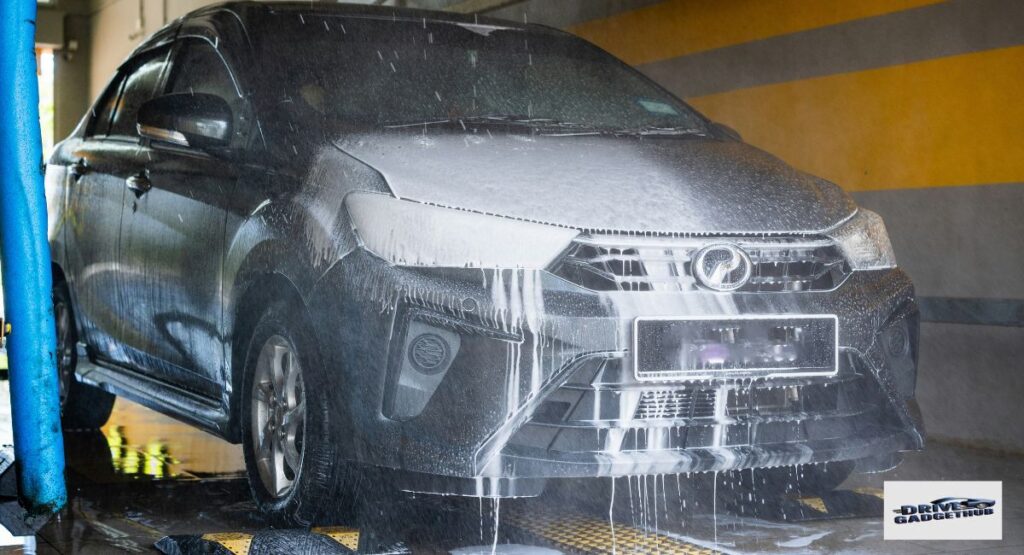
In the U.S., touch-free washes often cost more per visit. The reason is equipment. Car wash equipment with sensors and robotics is expensive. This raises the cost of operating a car wash for owners.
Soft touch car wash systems are faster and cheaper to run. For a car wash business, this matters. Lower car wash operating costs attract car wash investors and car wash entrepreneurs. The table below shows a simple cost view.
| Aspect | Soft-Touch | Touch-Free |
| Average wash price | Lower | Higher |
| Maintenance cost | Moderate | High |
| Wash time | Faster | Slightly slower |
Which Car Wash Is Best for Your Car Type?
For new cars, touch-free systems feel safer. Owners who worry about paint often choose them. This supports choosing the right car wash system based on comfort and trust. Luxury and ceramic-coated cars often go touch-free.
Older cars and daily drivers benefit from soft touch washes. Dirt builds up faster on these vehicles. A soft touch car wash offers better results with fewer repeat visits. Trucks and SUVs also benefit from stronger cleaning power.
Final Verdict – Touch-Free vs Soft-Touch: Which Should You Choose?
There is no single winner. The right choice depends on your car, location, and habits. A soft-touch car wash is ideal for deep cleaning and value. A touch free car wash works best for paint-sensitive vehicles.
As one car wash industry expert once said, “The best wash is the one that matches your car’s real needs.” Whether you focus on shine or safety, understanding these systems helps you protect your investment. For drivers and car wash business investment decisions alike, knowledge always pays off.
FREQUENTLY ASKED QUESTIONS
What does soft touch mean at a car wash?
Soft touch means the car wash uses gentle foam brushes and cloths that lightly touch your car to remove dirt and grime.
Is soft touch or touchless better?
Soft touch cleans better on heavy dirt, while touchless is safer for paint. The better choice depends on your car and comfort level.
Do soft touch car washes scratch?
They are generally safe, but poorly maintained brushes can cause light scratches over time.
How much do you tip for a $20 car wash?
A tip of $3–$5 is common if attendants provide good service.
How much do you tip for a $45 car wash?
For a $45 car wash, tipping $7–$10 is considered appropriate for quality service.

welcome to drivegadgethub! I am Jason miles an AI-powered SEO content writer with over 3 years of experience helping websites grow faster and look more professional.
Pingback: The Best Car Phone Mounts of 2026: Tested, Reviewed & Rated - drivegadgethub.com